
Japan, Korea, and Taiwan form a fascinating trio of destinations that largely explains why Asia My Way now travels in the Asia-Pacific. Not only because of their geographical proximity, but also thanks to cultural characteristics forged through centuries of intercivilizational interactions.
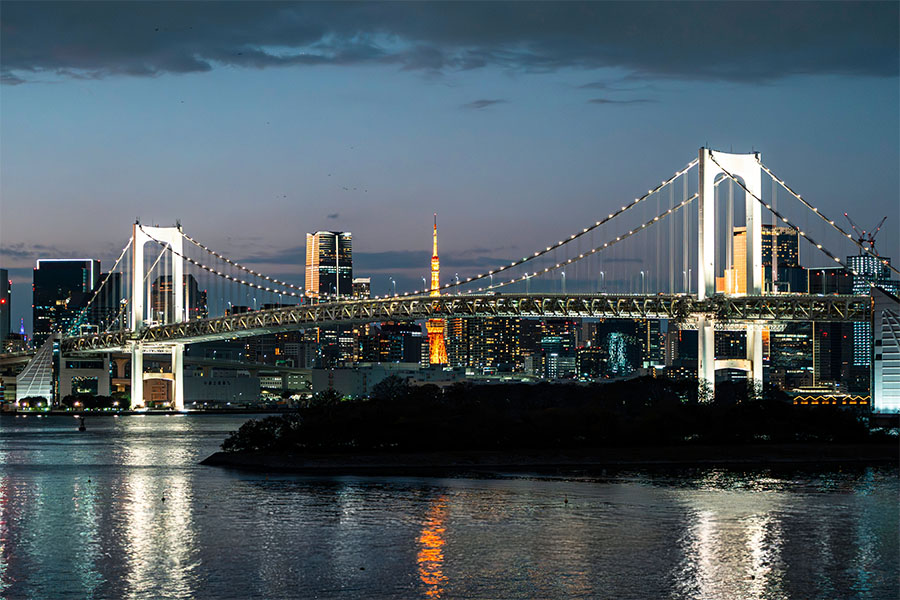
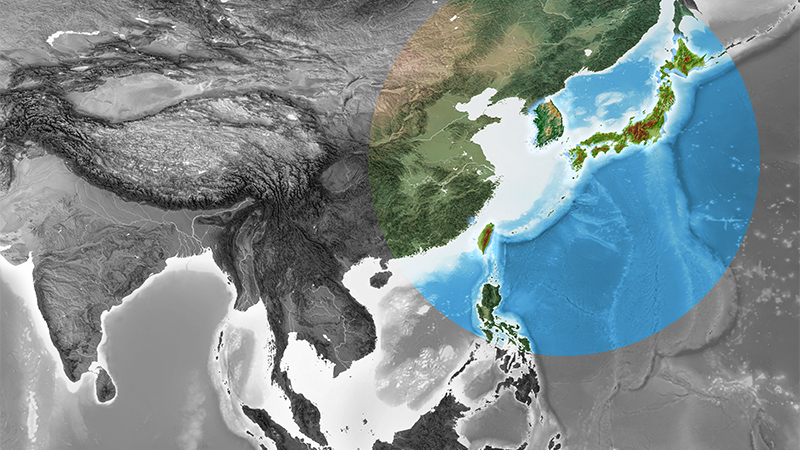
Leaving Tokyo and returning to Bangkok this morning, we fly over Japan’s east coast. Along the way, we pass by Taiwan and Okinawa. Unknowingly, we’re following the famous subduction zone that separates two of the Earth’s main tectonic plates: the Yangtze Plate and the Okinawa Plate.
Deep underground along this ring of fire, continents and chains of islands collide.
Cultural Tectonics
On the surface, things are calmer… although the peoples of these islands and continents have met, challenged, and sometimes fought each other in fiery conflicts, the “tectonics” above ground unfolded differently. There was no subduction, no civilization disappearing under another — rather, they subtly influenced one another, sometimes blending.
In Taiwan, you find yourself in the Chinese world, and that impression dominates when walking around — much more so than in Hong Kong.
Yet Japan’s long presence has left its mark too: in architecture, for example, and in the Taiwanese desire to act as a counter-model to China, a mindset that draws them closer to Koreans in daily life.
As you wander, you notice countless shared traits with Japan, Korea, and China — temple architecture, scripts, cuisine, the organization of shopping streets — but of course, Taiwan has many unique aspects of its own.
In Korea, you see similarities in temple architecture and guesthouse design. Ryokans are called Hanok, but they feature the same woods, materials, door designs, and tile shapes.
Why Asia My Way Travels in Asia-Pacific
In Japan, Korea, and Taiwan, you find a world where civilizational interactions have been constant through invasions, periods of restored trade relations, and cultural exchanges. The influences endure, but in each country, they manifest in different ways.
This is precisely what makes combining all three so fascinating: embracing their similarities and differences. That’s why expanding our travel offer to the Asia-Pacific felt like a natural step.
Borders are fragile when you look with a traveller’s eye — more attuned to cultural continuities than temporary disputes. Travellers can move freely among them: fly to Japan via Seoul, extend a stay in Taiwan with a beach getaway in Okinawa. The possibilities are endless.
These days, we’re opening our agency in Seoul. Taiwan is still in the works, but its opening will hold wonderful surprises.