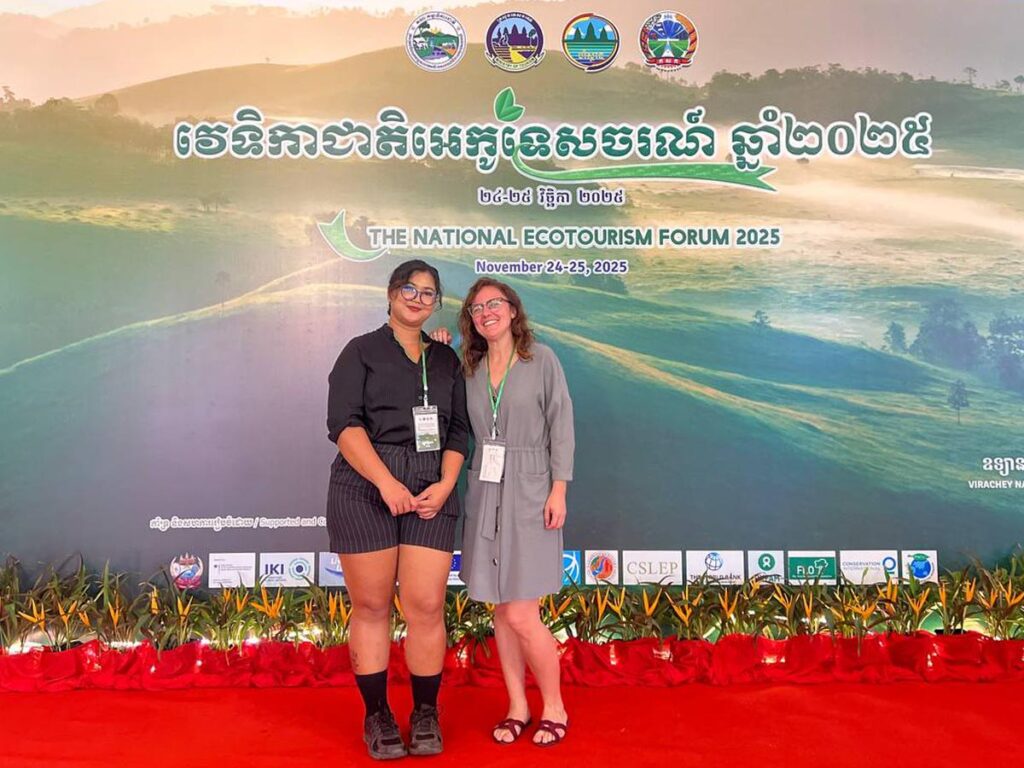


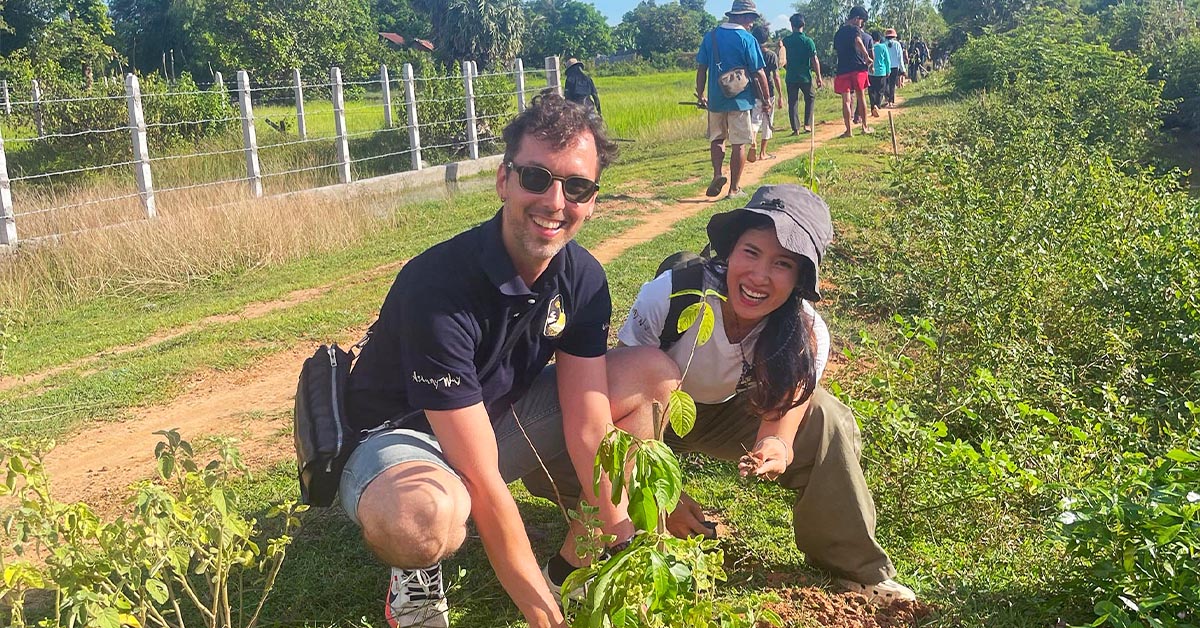
Over the last week of November, our colleagues in Siem Reap attended two significant events that emphasise the fact that sustainable tourism is taking root in minds and blossoming within communities.
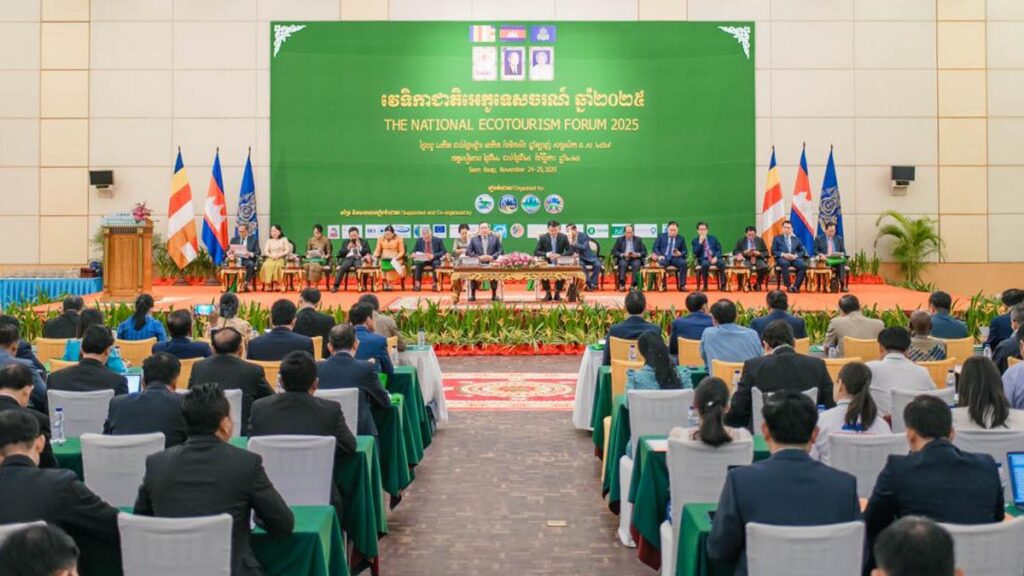
Together, the National Eco-Tourism Forum 2025 and the AMUSE (ASEAN Municipal Solid Waste Management Workshop) revealed a strong and hopeful momentum: Cambodia is clearly steering its tourism sector toward a more responsible, community-centred and environmentally conscious future.
At the National Eco-Tourism Forum, various institutions reaffirmed their collective determination to protect the country’s natural and cultural heritage while ensuring tangible benefits for the people who inhabit it. The event was opened in the presence of two ministers, underscoring the government’s commitment to advancing sustainable tourism nationwide.
From the testimonies, ongoing projects and studies brought by the stakeholders to this event, “we could clearly feel that Cambodia is opening up to ecotourism and that it is a line of work they will be focusing on in the coming years,” said Amparo Dominguez-Lopez, Travel Expert at Asia My Way for the Hispanic market.
A vibrant network of communities open to authentic and respectful travel
The Ministry of Agriculture, Forestry & Fisheries highlighted 123 potential ecotourism sites, 73 already active, and 46 officially recognised as ecotourism communities: a vibrant network of villages, landscapes and traditions ready to welcome travellers seeking authenticity and respect. Many of these communities now lead their own initiatives, showing how deeply the seeds of sustainable tourism have taken root.
“When I first joined the tourism industry over eight years ago, ecotourism in my country was still very limited,” says Manith Oeu, Asia My Way’s Operation Manager in Cambodia, who also attended the event along with three other colleagues.
“Back then, only a few communities around Siem Reap were known. Today, discovering that more than a hundred sites are now being developed toward sustainability truly opened my eyes,” she added.
Emerging destinations, increased access and support for local
Hopeful signs also came from the Ministry of Environment: Siem Reap welcomed more than 3.5 million visitors last year, the population of Irrawaddy dolphins in Kratie has risen to 100 individuals, and four national festivals now celebrate Cambodia’s rich diversity – mountains, lakes, coastal life, and the soul of its villages.
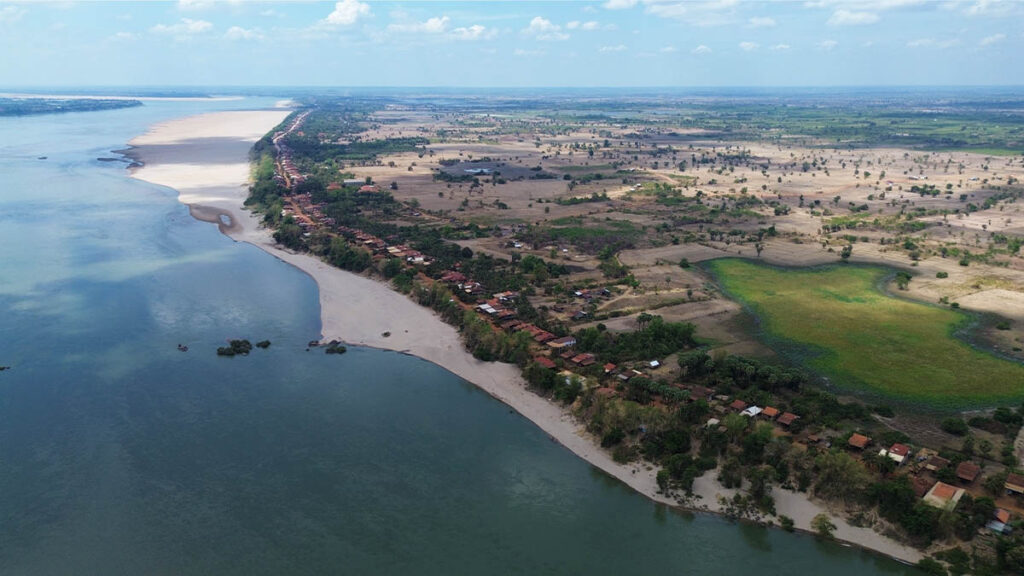
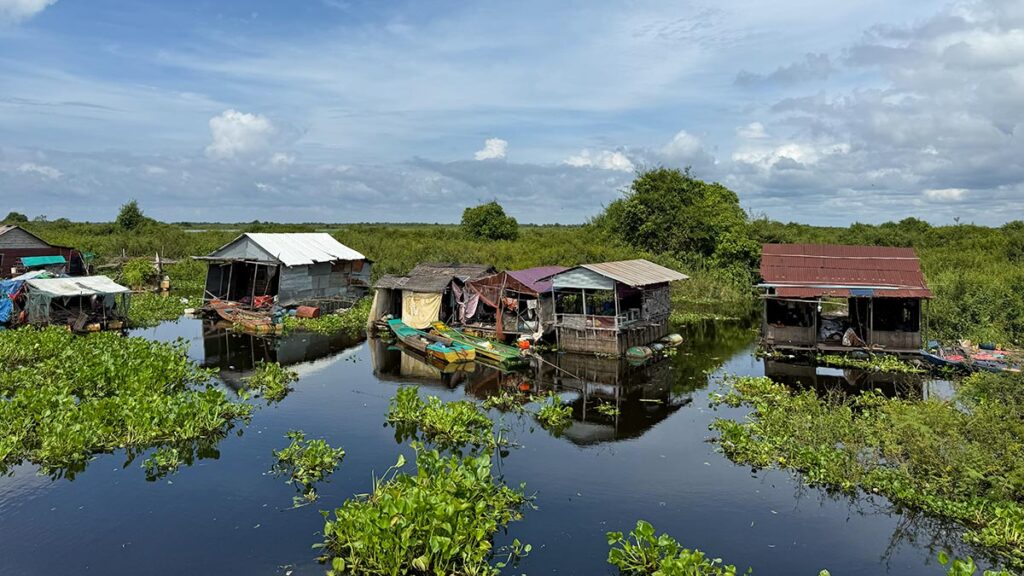
Among emerging opportunities, Phat Sanday, a floating community between Phnom Penh and Siem Reap, already welcomes 2,000 Aqua Mekong travellers annually and offers promising potential for meaningful, community-based experiences.
“These projects don’t just create new destinations, they improve access, support communities, and preserve our natural heritage. It makes me proud to see how far we’ve come and how seriously our government and ministries are investing in this direction,” Manith emphasised.
A more favorable context to support green initiatives from sustainable travel actors in Cambodia
The second event, the AMUSE workshop, focused on circular practices and concrete steps toward cleaner cities, a theme dear to Asia My Way, which renewed its Travelife Partner status in November. Siem Reap now boasts around 80 water-refill stations, including several inside Angkor Park, allowing travellers to reduce plastic waste effortlessly by refilling their reusable flasks – Asia My Way already provides its travellers with branded biodegradable plastic refill bottles (see below).
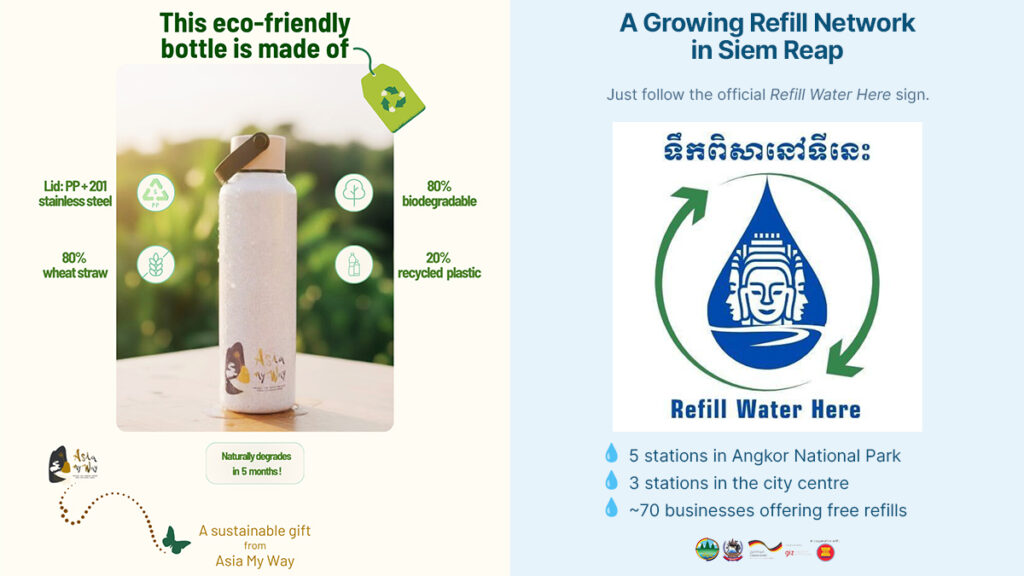
Waste-management improvements led by the Ministry of Environment and partners like GIZ are already raising the city’s cleanliness ratings and strengthening community engagement.
“Seeing waste management becoming a national priority is also very encouraging,” said Manith, who actively participated in a dual project for Asia My Way including the creation of branded refillable bottles and the promotion of the reduction of single-use plastics.
A shared path where responsibility and hope meet
“Keeping our environment clean shouldn’t fall only on the Ministry or businesses: it’s something every person needs to care about. Even simple habits like using refillable bottles or avoiding plastic can make a real difference. As a Khmer working in tourism, I believe we all share the responsibility to protect the places we love and share with travellers, so we can pass them on clean and beautiful for the next generation,” Manith added.
Taken together, these events remind us of something essential: sustainability is a shared journey. Strengthening ecotourism communities, protecting biodiversity, reducing plastic waste and encouraging mindful travel are all part of Cambodia’s evolving tourism landscape. A landscape we are proud to support through our long-standing commitments, from Travelife certification to itinerary innovation.
Although many challenges remain, Cambodia is not only opening up to sustainable travel. It is nurturing it… and watching it bloom.