Menu
Close
- Home
- Markets & Destinations
Asia Destinations
Asia Destinations
-
Thailand TH
The Land of Smiles -
Laos LA (Lan Xang)
The Land of a Million Elephants -
Cambodia KH
The Kingdom of Wonder -
Vietnam VN
The Dragon of Asia
-
Japan JP
The Land of the Rising Sun -
South Korea KR
The Land of the Morning Calm -
Taiwan TW
The Beautiful Island -
Myanmar MM
The Land of Golden Pagodas
-
Thailand TH
- Sustainability
- Who We Are
- Articles
Recent Articles
Recent Articles
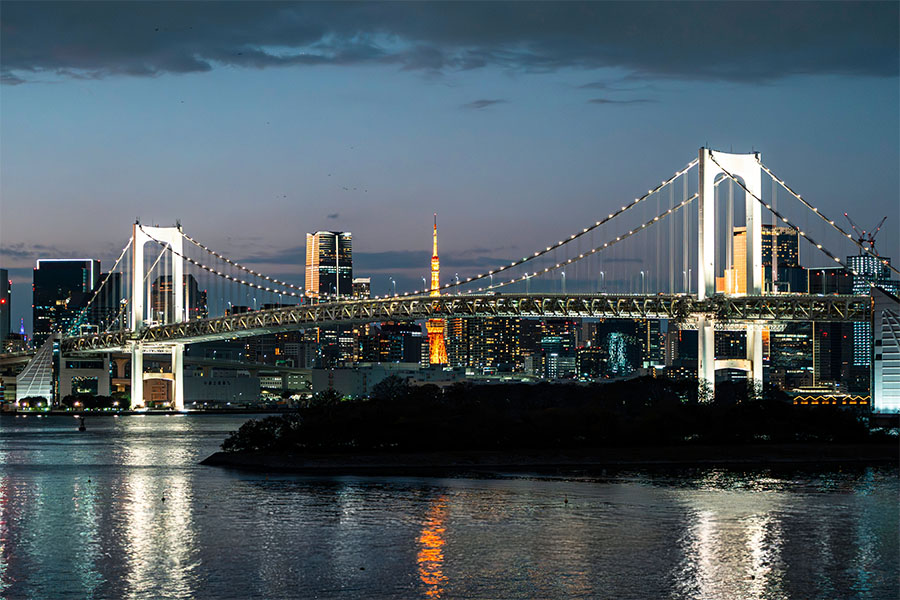
Travel update: Northeast Asia travel continues normally despite Middle East airspace disruptions
asiamyway March 14, 2026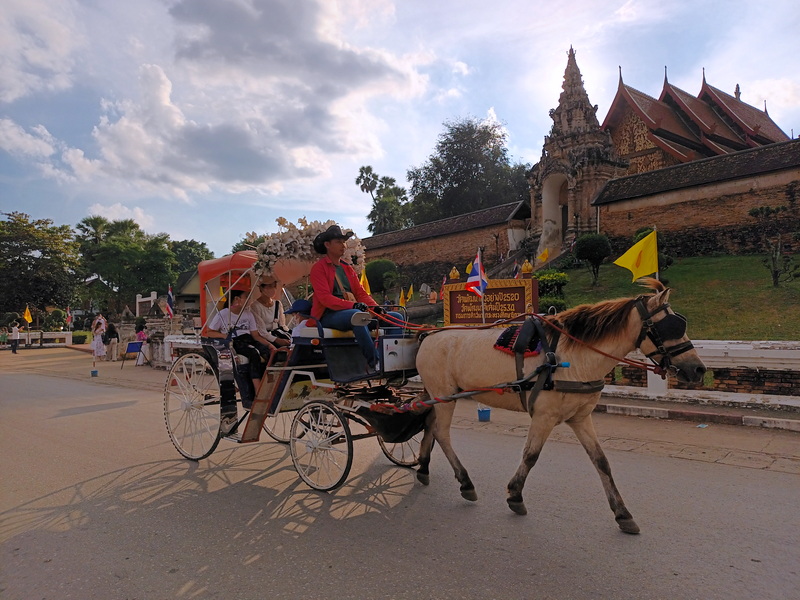
Travel update: Southeast Asia travel continues normally despite Middle East airspace disruptions
asiamyway March 13, 2026
Conflict in Iran: Information and recommendations for Asia My Way travellers
asiamyway March 1, 2026Cambodia: How local collaboration helps shape more responsible travel
asiamyway May 18, 2026Travel update: Northeast Asia travel continues normally despite Middle East airspace disruptions
asiamyway March 14, 2026 - Contact
- Home
- Markets & Destinations
Asia Destinations
Asia Destinations
-
Thailand TH
The Land of Smiles -
Laos LA (Lan Xang)
The Land of a Million Elephants -
Cambodia KH
The Kingdom of Wonder -
Vietnam VN
The Dragon of Asia
-
Japan JP
The Land of the Rising Sun -
South Korea KR
The Land of the Morning Calm -
Taiwan TW
The Beautiful Island -
Myanmar MM
The Land of Golden Pagodas
-
Thailand TH
- Sustainability
- Who We Are
- Articles
Recent Articles
Recent Articles
Cambodia: How local collaboration helps shape more responsible travel
asiamyway May 18, 2026Travel update: Northeast Asia travel continues normally despite Middle East airspace disruptions
asiamyway March 14, 2026Travel update: Southeast Asia travel continues normally despite Middle East airspace disruptions
asiamyway March 13, 2026Conflict in Iran: Information and recommendations for Asia My Way travellers
asiamyway March 1, 2026Cambodia: How local collaboration helps shape more responsible travel
asiamyway May 18, 2026Travel update: Northeast Asia travel continues normally despite Middle East airspace disruptions
asiamyway March 14, 2026 - Contact