
Last updated: 14 March 2026
Recent geopolitical tensions involving Iran and the wider Middle East have raised questions among travelers planning trips to Asia. Some travelers and travel advisors are wondering whether the situation could affect journeys to destinations such as Thailand, Vietnam, Cambodia or Laos.
The short answer is reassuring: travel to Southeast Asia continues normally despite Middle East airspace disruptions. The current situation mainly affects certain air routes across the Middle East rather than tourism operations in Asia itself.
Below is a brief overview of what travelers and partners should know.
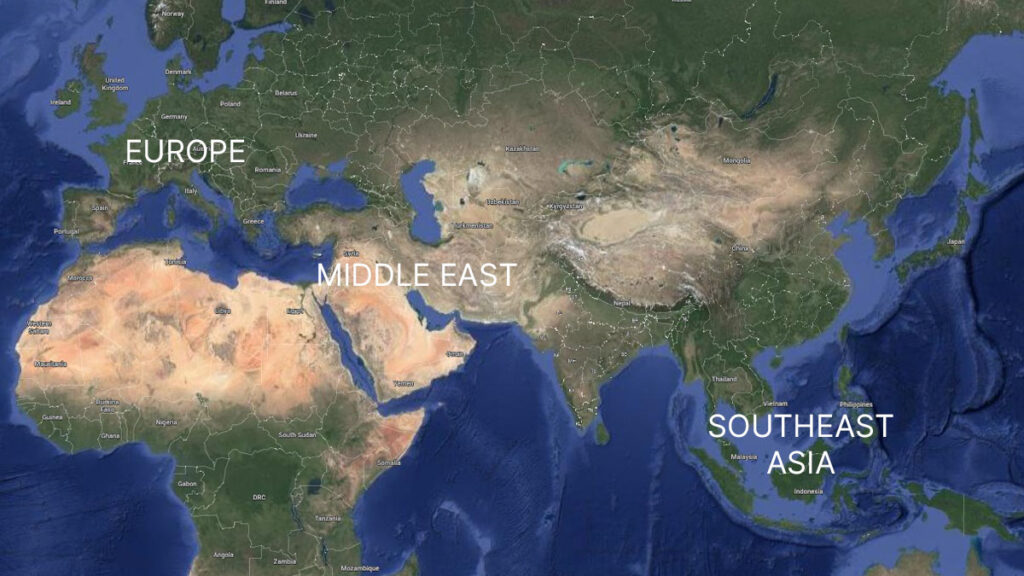
Southeast Asia is far from the conflict zone
The destinations where Asia My Way operates across Southeast Asia – including Thailand, Vietnam, Cambodia, Laos – are geographically very distant from the area currently affected by tensions in the Middle East.
To put this into perspective:
- Bangkok and Hanoi are approximately 5,500 km from Tehran
- In aviation terms, this represents roughly 6 to 7 hours of flight distance.
- For comparison, the distance between Paris and New York is about 5,800 km, roughly the same distance separating Iran from Thailand.
Because of this geographic separation, the situation in the Middle East does not affect travel conditions within Southeast Asia.
Tourism operations across Southeast Asia continue normally
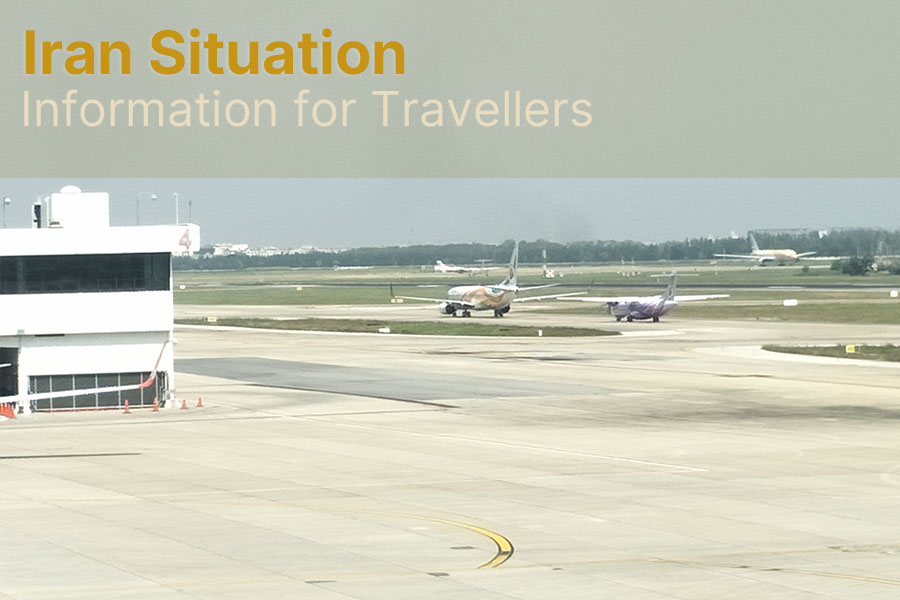
Across all the destinations where Asia My Way operates, tourism infrastructure continues to function normally.
Airports, hotels, transport networks and tourism services remain fully operational in major destinations such as:
- Bangkok and Chiang Mai
- Hanoi and Ho Chi Minh City
- Siem Reap
- Luang Prabang
Travelers currently visiting these destinations are experiencing normal travel conditions, with tours, cultural visits and domestic transport continuing as planned.
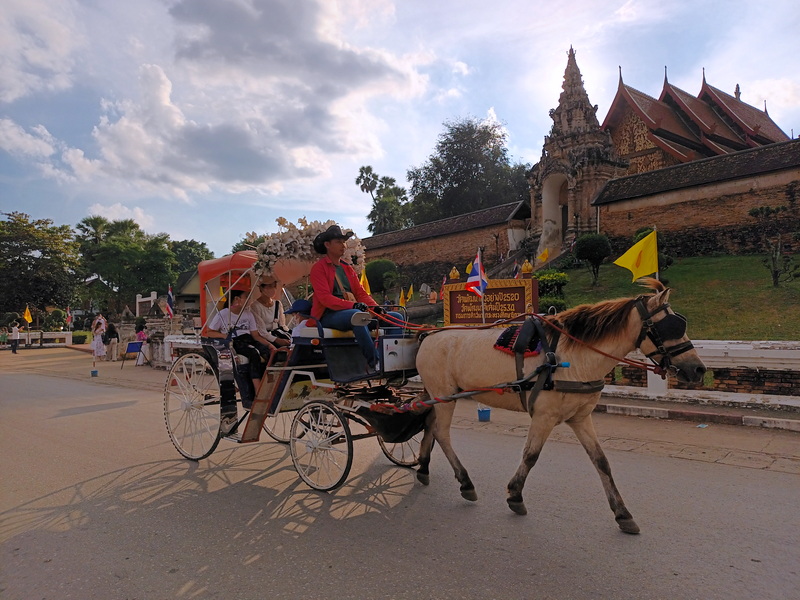
Asia My Way operational update
Asia My Way teams are currently operating trips across several destinations in Southeast Asia.
Based on the information currently available from our local teams, only a limited number of travelers have experienced flight adjustments or cancellations related to international air routes, most of them involving Middle Eastern airlines.
Once travelers arrive in the region, tours, hotels and transport services operate normally across all our destinations.
Why the situation may affect some flights
Although the conflict is geographically distant from Southeast Asia, it can still have indirect effects on some long-haul flight routes between Europe and Asia.
Many flights between Europe and Asia traditionally pass through airspace over parts of the Middle East. When geopolitical tensions increase, airlines may temporarily adjust their routes to avoid certain areas.
This is standard practice in global aviation whenever geopolitical tensions affect certain air corridors. Airlines continuously coordinate with international aviation authorities to ensure that commercial flights avoid any potentially sensitive airspace.
How airlines are adapting
To maintain safety and operational reliability, airlines may reroute some flights between Europe and Southeast Asia through alternative corridors such as:
- Central Asia
- the Caucasus region
- southern routes over the Arabian Sea
For travelers, the practical effects may include:
- slightly longer flight times on some routes
- occasional schedule adjustments
- changes to connecting itineraries
However, international flights to Southeast Asia continue to operate normally.
What travelers should expect
For most travelers heading to Southeast Asia, the situation does not require any major changes to travel plans.
However, as with any international journey, a few simple precautions can help ensure a smooth trip:
- confirm flight schedules shortly before departure
- allow comfortable connection times between flights
- consider flexible airline tickets when available
Travel advisors and airlines continue to monitor the situation and will inform passengers if any adjustments become necessary.
A stable and well-connected travel region
Despite geopolitical tensions elsewhere in the world, Southeast Asia remains one of the most stable and well-connected travel regions globally.
The region benefits from:
- modern airport infrastructure
- extensive airline networks
- well-developed tourism services
- well-established tourism infrastructure
For travelers seeking cultural discovery, nature, gastronomy and hospitality, Southeast Asia continues to offer some of the world’s most rewarding travel experiences.
Asia My Way’s commercial policy
While the current situation does not affect travel operations across our destinations, some travelers may still prefer to adjust their plans.
Postponements
For commercial reasons, Asia My Way is willing to accept travel postponements. Any costs already incurred with suppliers will be retained as credit and applied to the rescheduled trip once new travel dates are confirmed.
Cancellations
If a traveler prefers to cancel rather than postpone, standard cancellation conditions will apply.
Our commitment to travelers and partners
At Asia My Way, we continuously monitor global travel developments to ensure that our partners and travelers receive reliable and up-to-date information.
At present, all our Southeast Asian destinations remain fully operational, and we look forward to welcoming travelers across the region.
Our teams remain available to assist partners and travelers with any questions regarding routes, itineraries or travel planning.
A similar situation currently applies to Northeast Asia, including Japan, South Korea and Taiwan, where travel operations also continue normally.
Frequently asked questions
Is Southeast Asia affected by the Iran conflict?
No. The current tensions mainly affect certain air routes in the Middle East, not tourism operations in Southeast Asia.
Will flights to Southeast Asia continue to operate?
Yes. Many airlines fly to Asia without using Middle Eastern airspace. While Persian Gulf airlines are more directly affected, flights that normally pass through the region may only need to adjust routes or schedules. Overall, most international flights to Southeast Asia continue to operate normally.
Is it safe to travel to Southeast Asia right now?
Yes. Destinations across Southeast Asia remain stable and tourism infrastructure continues to operate normally, including airports, hotels, transport services and guided tours.
Should travelers change their travel plans?
In most cases, no changes are necessary. However, travelers planning to transit through the Gulf region in the coming weeks may consider choosing alternative airlines or routes when available. As with any international journey, it is also advisable to check flight schedules before departure and allow comfortable connection times between flights.